
Hi, I'm Neil.
I'm an MSc Data Science student at ETH Zürich and a Research Assistant in the PRS Lab under the supervision of Konrad Schindler, where I work on Point Cloud encoders and knowledge distillation.
I hold a BSc in Artificial Intelligence from the Universitat Autònoma de Barcelona, and I spent my final year at the Technical University of Munich as a student researcher in the Computer Vision Group, under the supervision of Daniel Cremers.
I build and study machine learning and computer vision systems from a research perspective, with a current focus on 3D asset generation, 3D foundation models, and the geometry of deep representations.
I am also a Rafael del Pino Excellence Fellow.

News
Sep 2026
New work: SpaceFlow,
locally controllable 3D generation. Explore the paper and interactive 3D examples.
Aug 2026
Published The
Shape Doppelganger Problem, an interactive note on editable 3D programs.
Jun 2026
Started working as a Research Assistant at the PRS Lab.
Mar 2026
Published Losing
Tickets in Neural Representations, an experiment on pruning SIRENs.
Sep 2025
Started MSc Data Science at ETH Zürich.
Sep 2025
Joined the PRS Lab as a Research Intern under Konrad
Schindler.
Aug 2025
Awarded the Rafael del Pino Excellence Fellowship.
Jul 2025
Completed my BSc thesis at TUM Vision Group under Daniel
Cremers.
May 2025
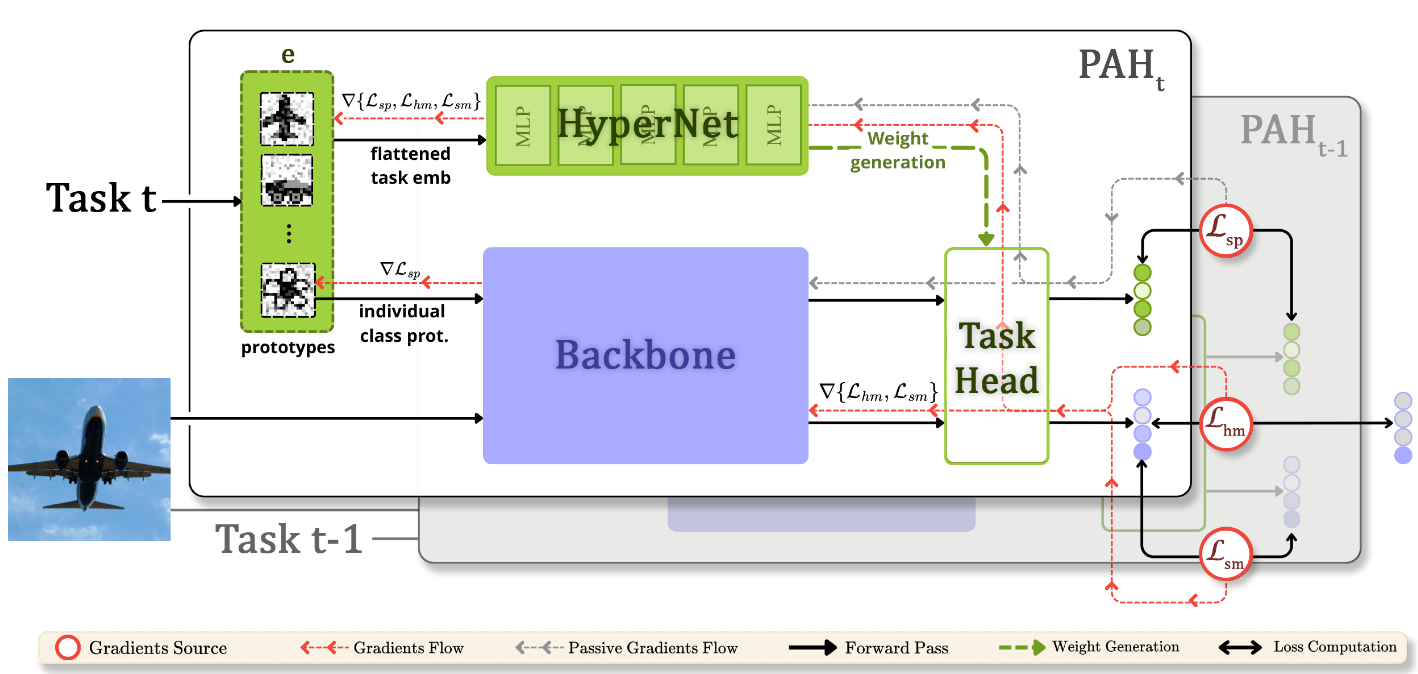
Paper on Hypernetworks accepted to CVPR LatinX in CV.
Research
My work focuses on deep learning, computer vision, and geometric representations.
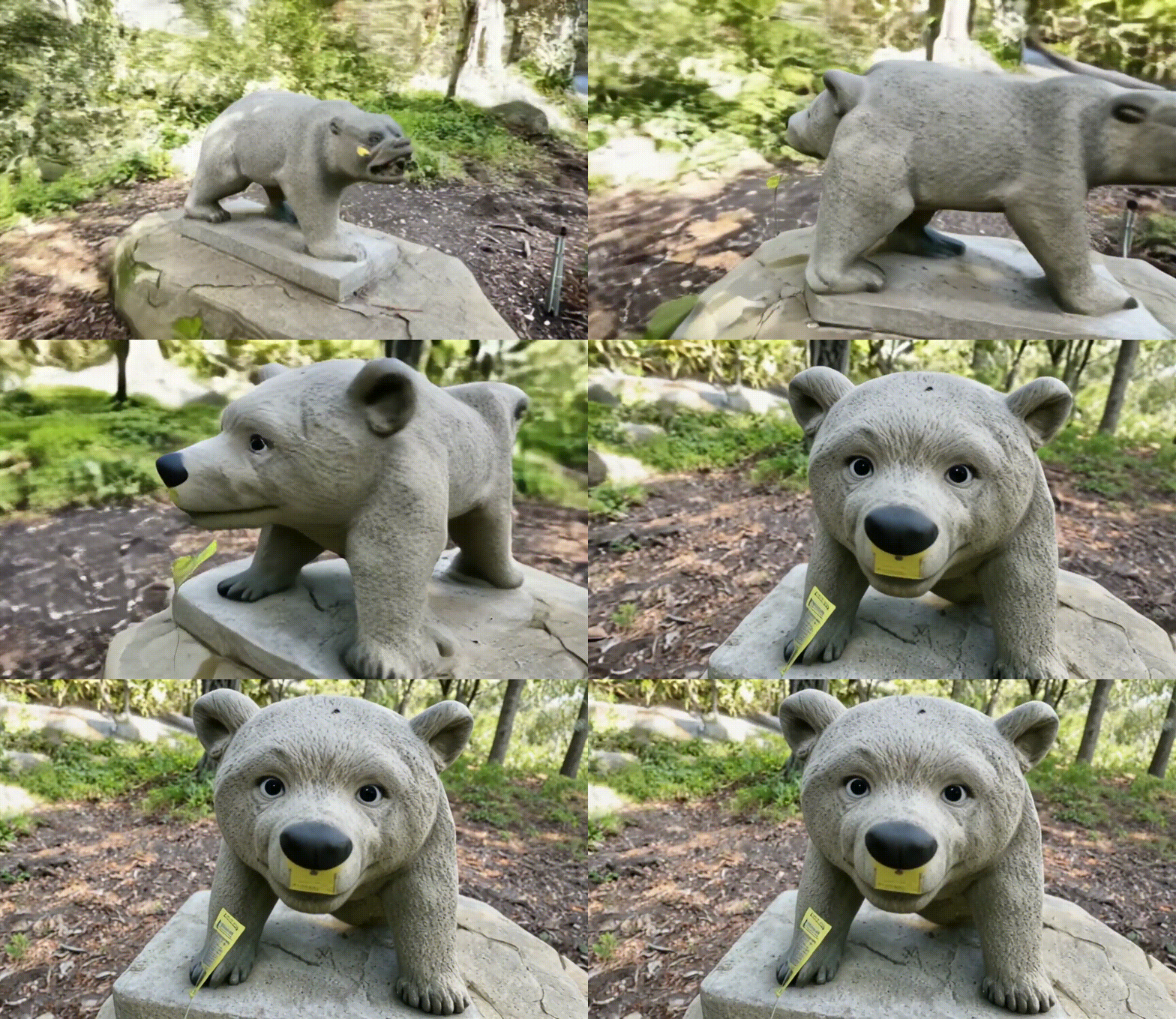
3D-to-4D Gaussian Scene Generation with Text-guided Diffusion
Thesis Commons / OSF Pre-Print 2025
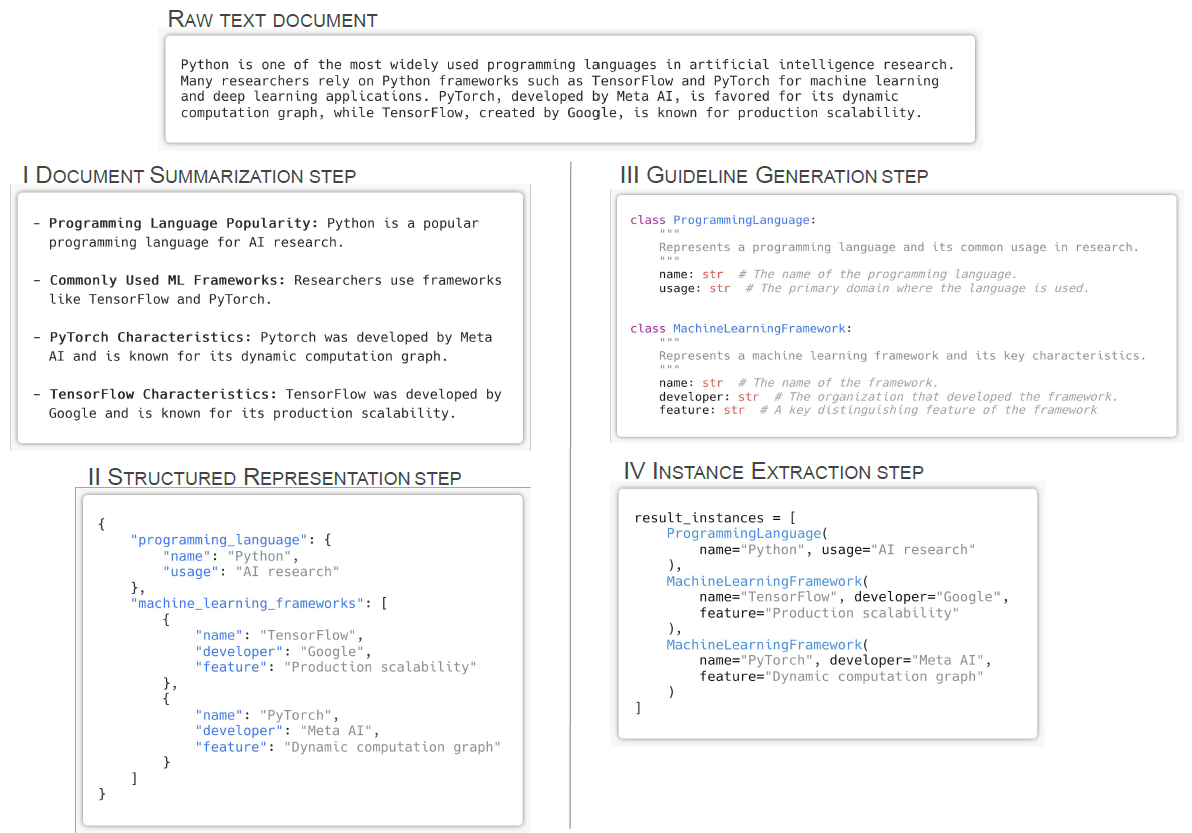
GuideX: Guided Synthetic Data Generation for Zero-Shot Information Extraction
ACL Findings 2025
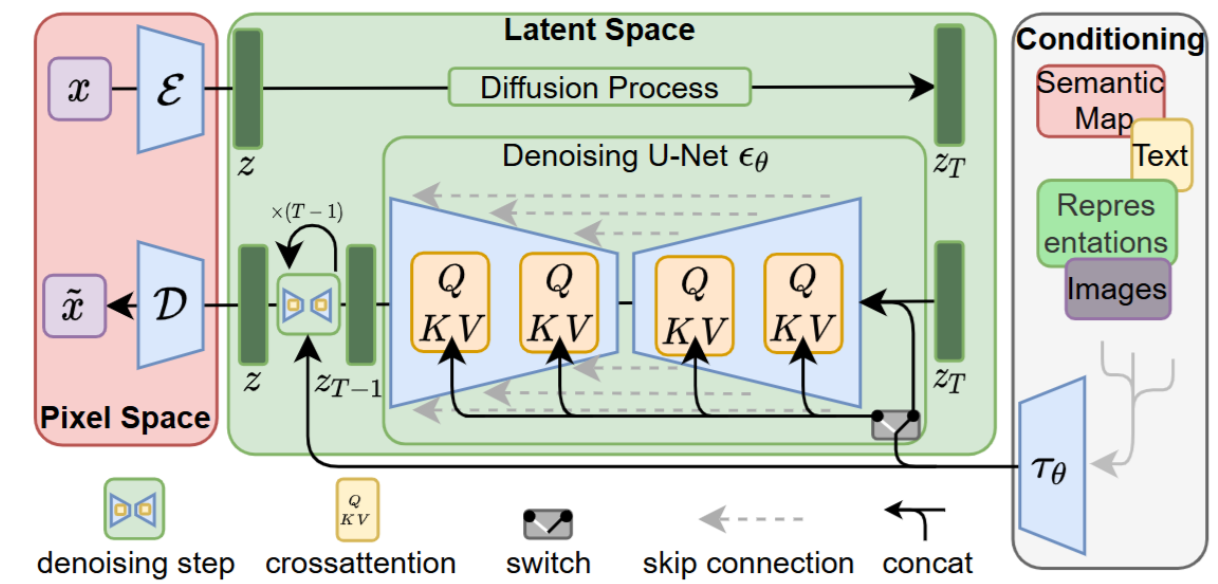
Foundations and Models in Modern Computer Vision: Key Building Blocks in Landmark Architectures
arXiv preprint arXiv:2507.23357
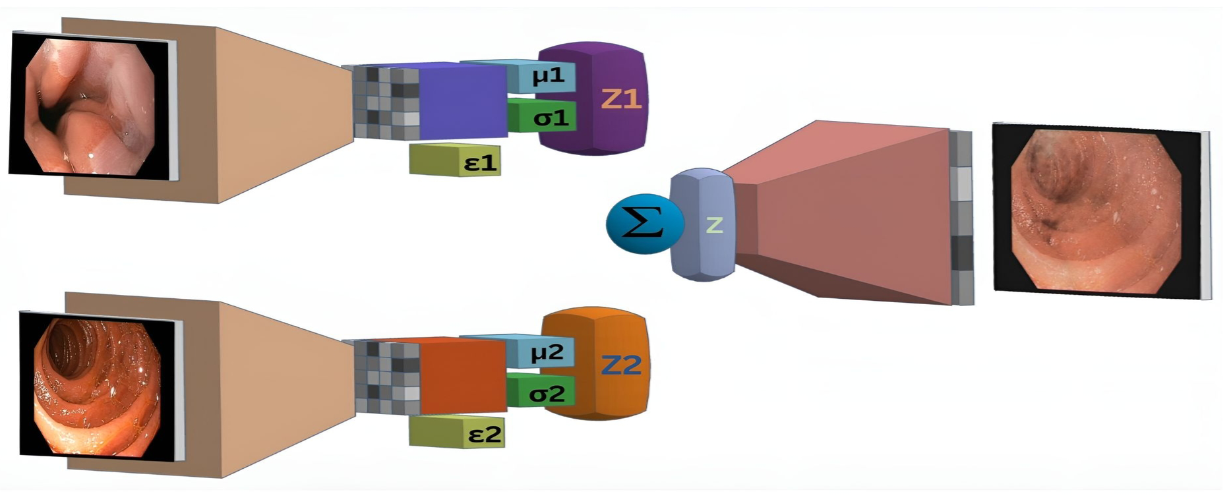
Enhancing image classification in small and unbalanced datasets through synthetic data augmentation
MICCAI '24 (Clinical Image-Based Procedures)
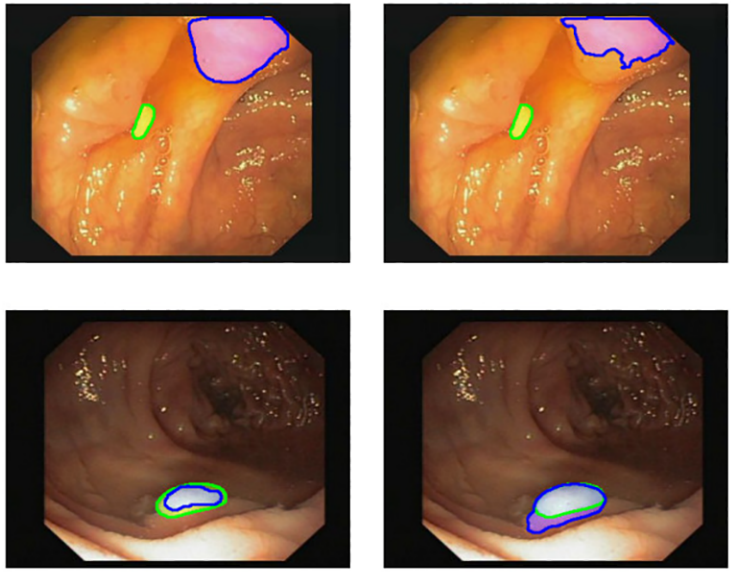
A complete benchmark for polyp detection, segmentation and classification in colonoscopy images
Frontiers in oncology 14, 1417862 (2024)
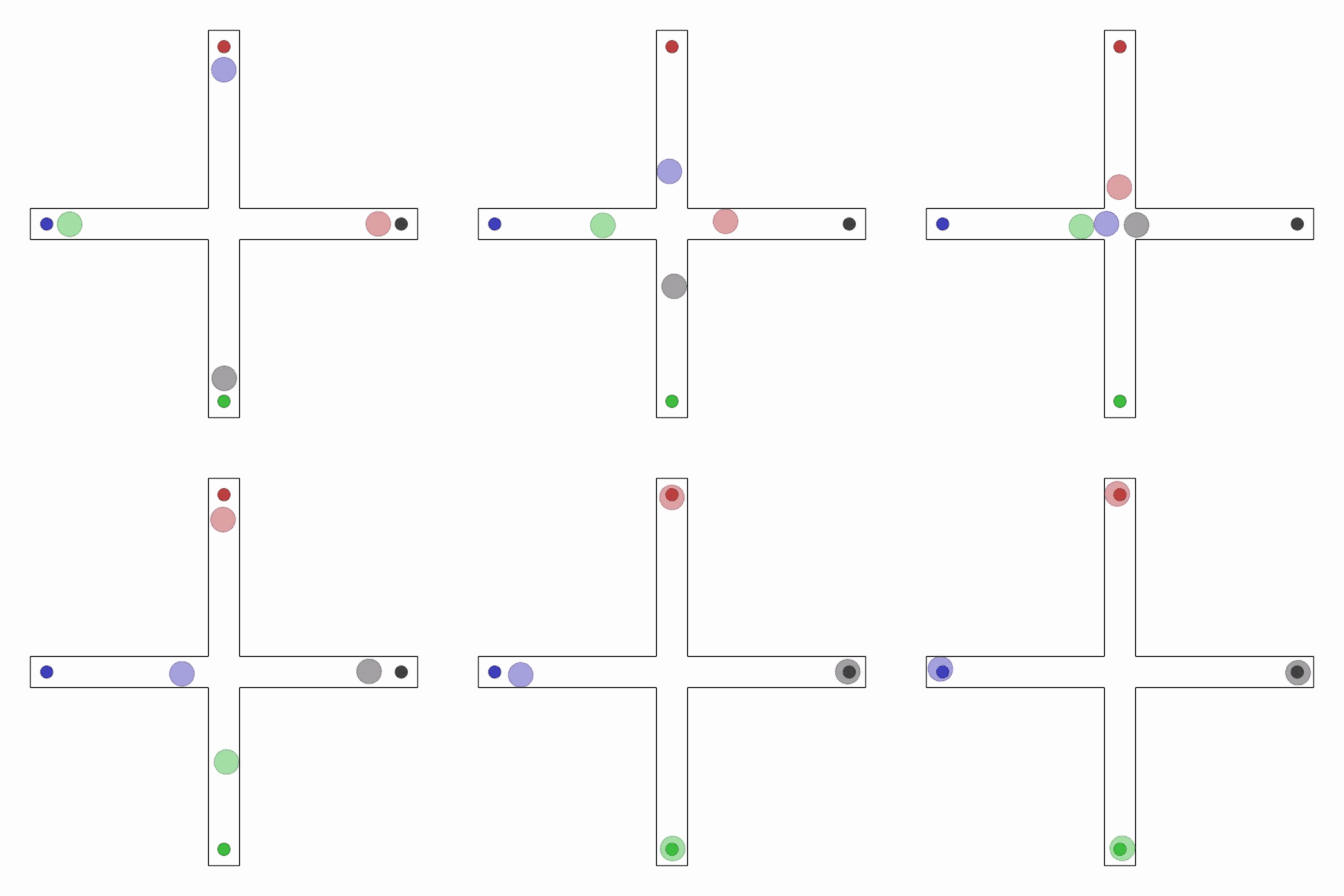
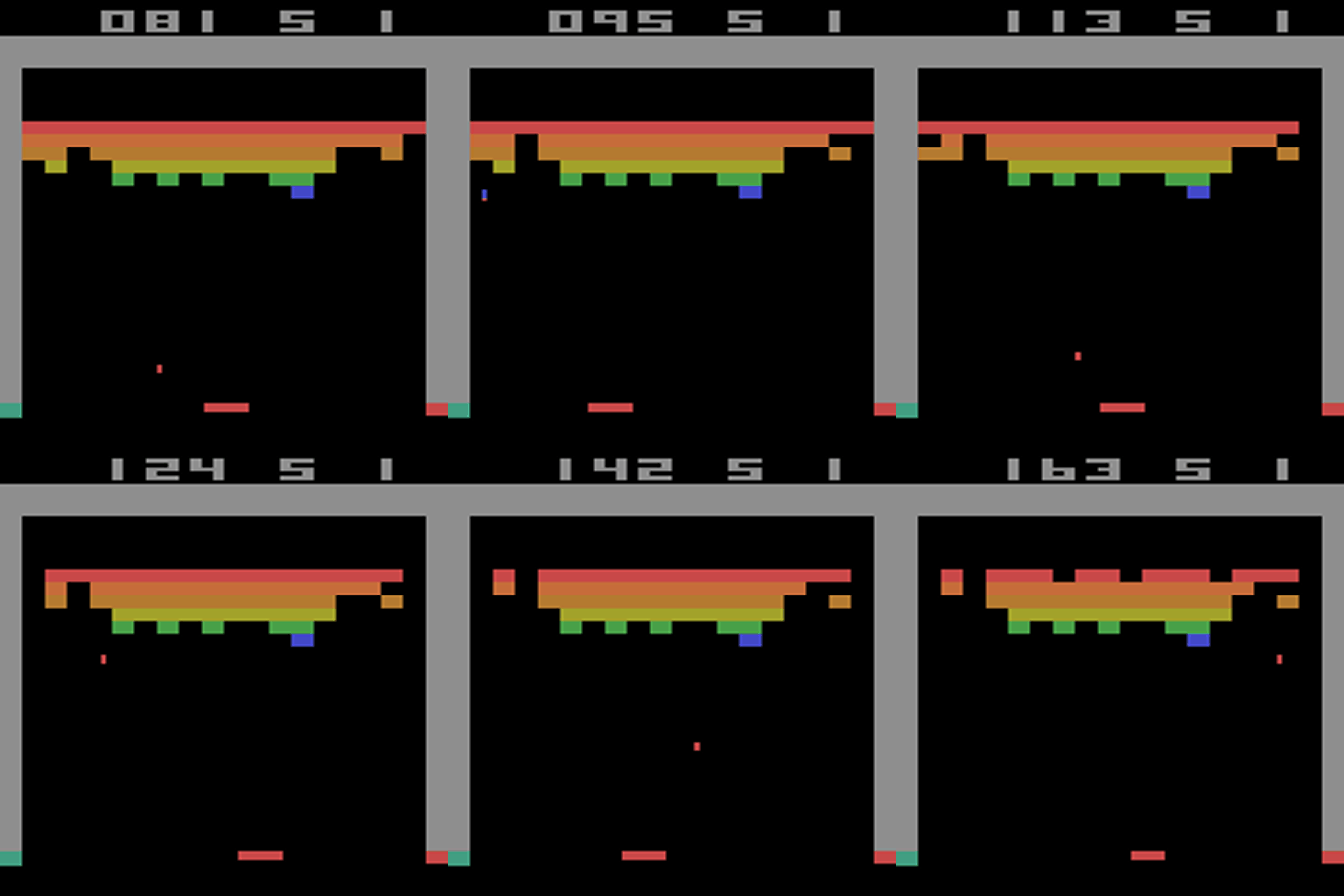
Game Theory and Multi-Agent Reinforcement Learning: From Nash Equilibria to Evolutionary Dynamics
arXiv preprint arXiv:2412.20523
Blog
Short-form notes on 3D, deep learning, and representation learning.
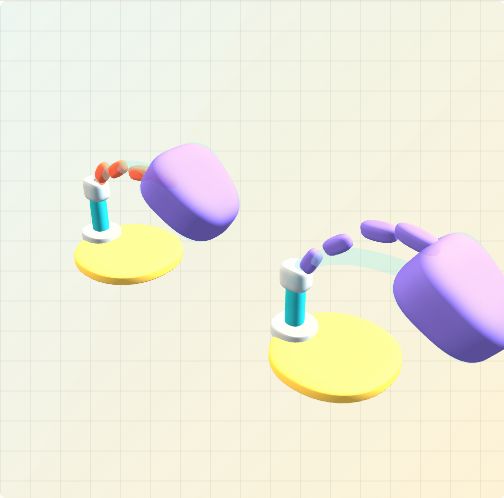 Interactive 3D
The Shape Doppelganger Problem
Surface fit is not editability. Two hand-specified 3D programs can reconstruct nearly the same object yet respond differently to the same part-level edit—an interactive counterexample for evaluating behavior after reconstruction.

Losing Tickets in Neural Representations
Applying the Lottery Ticket Hypothesis to SIRENs. Exploring frequency carrier destruction and how high-magnitude weights act as the primary oscillators of Fourier decomposition.

Pi5 Podcast
Pi5 Podcast is a Spanish-language podcast with five-minute explanations of mathematical ideas. Each episode makes one concept approachable for curious learners, without dense jargon.